
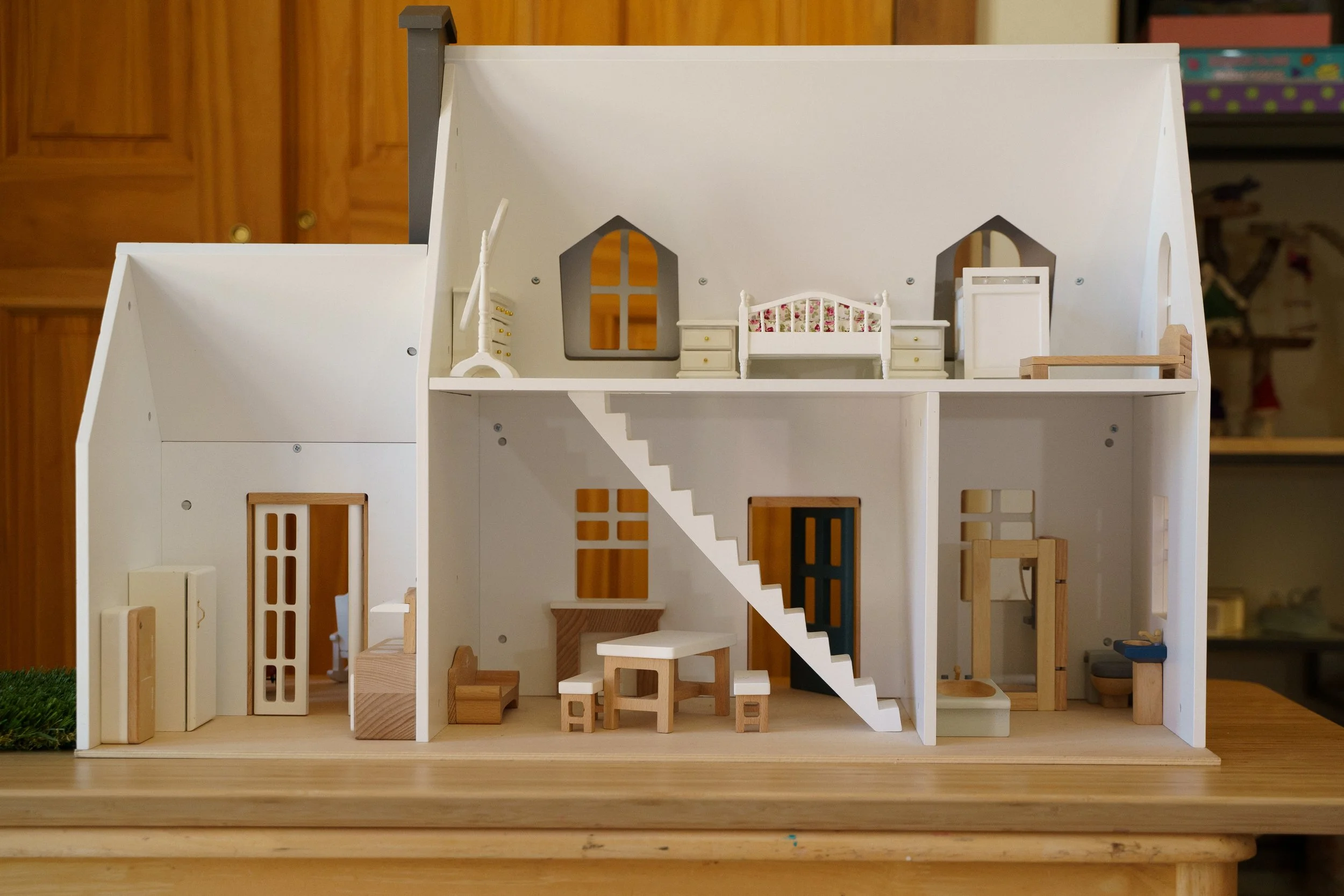
What kind of place is this?
It’s a classroom that feels like home.
Or home that can sometimes feel like a classroom.
It’s community life that lends itself to a sort of classroom.
And a classroom that simulates the world outside.
It’s a space that encourages you to use everything at your disposal
to create the right setting and atmosphere for you and your family to grow.
It’s a space where you can feel held and supported.
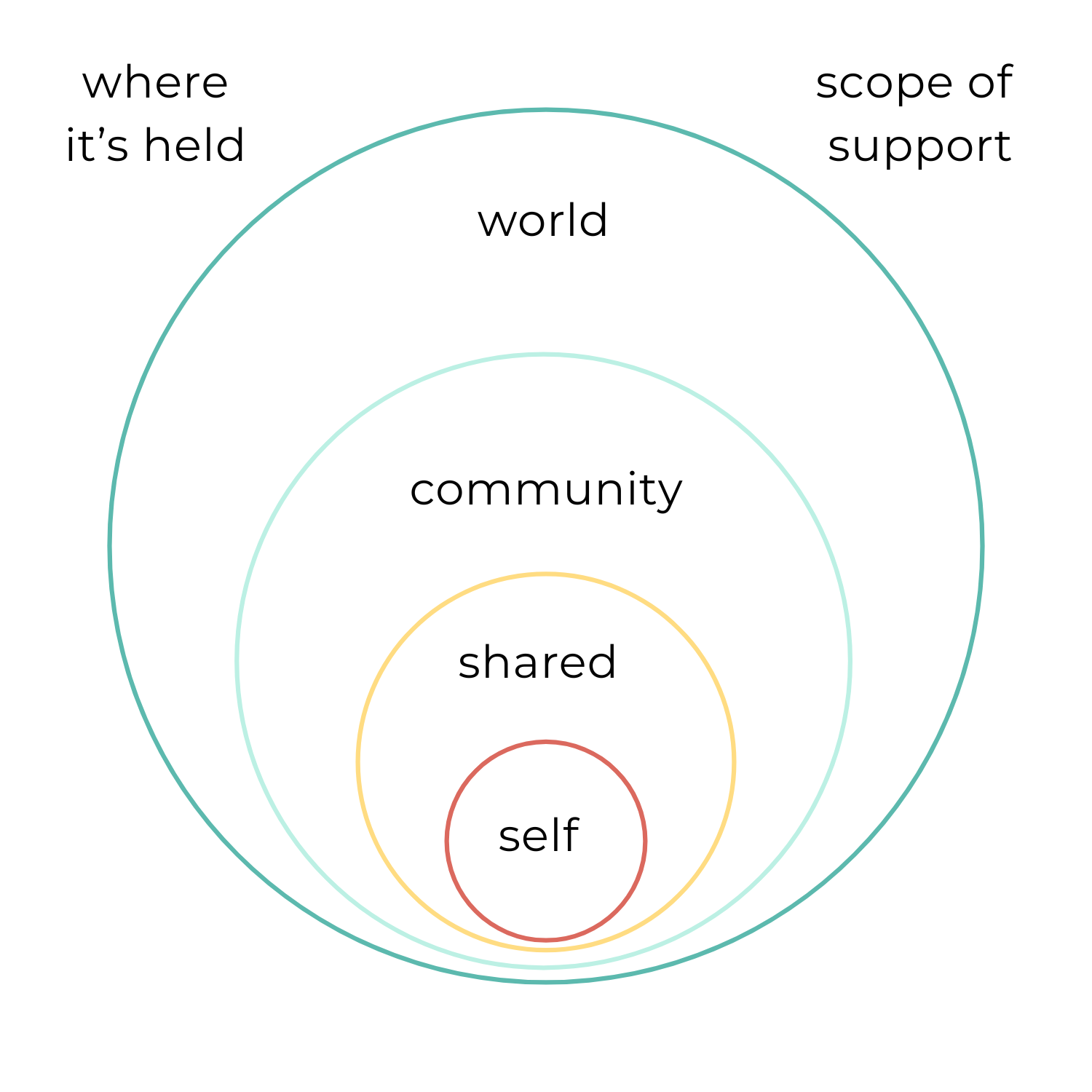
“You can start alone.”
“Relief comes quickly.”
“You don’t need many steps.”
“This is achievable.”
There’s no one way to start. You can start anywhere. Just start!
We will figure out more structure as we go and course correct as needed.
There isn’t a one-size-fits all order as we all come to the table with our own histories
but we will determine together what the best way forward will be.
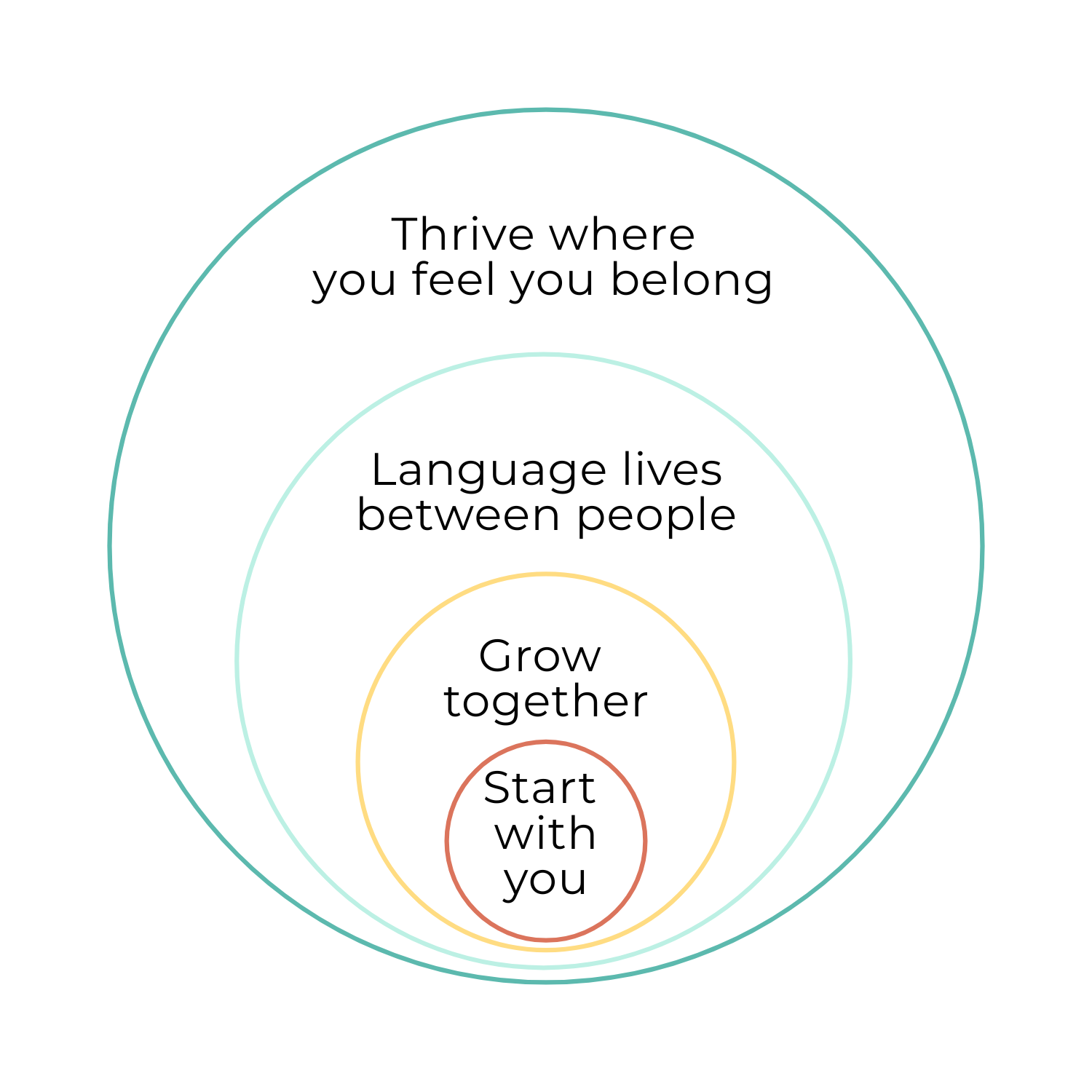
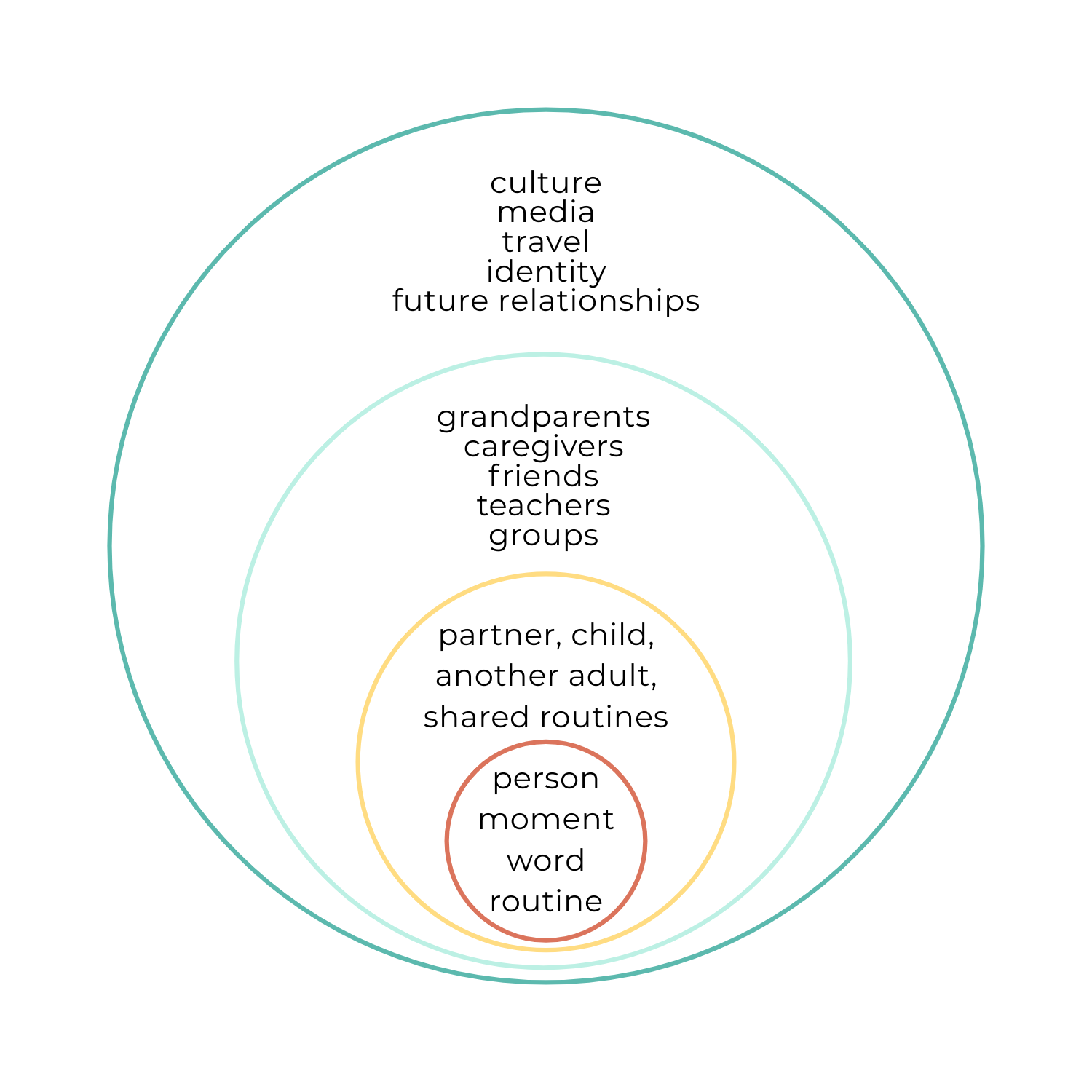
When you start, it can be on your own until you’re ready to engage with others,
or you can start in a group.
And I expect that being around others will bring a sense of relief.
Hearing others gives you perspective on your own practice and you learn from each other.
And if you are responsible for a child’s language exposure, it should not be a burden you carry alone.
Having others around who can be additional sources of the language
lightens your load and provides a variety of linguistic input and exposure that is important.
Language will have an opportunity to develop in a space that you share with others.
Then broaden your perspective and see the possibilities
coming from your different communities and the world around you.
Big Ideas, Real Impact.
Every event we host is designed with intention, from the atmosphere we create to the way each session flows.
Languages:
individual and collective
When it comes to languages, no matter how many languages we have,
everyone has experience, everyone has a story to tell, everyone has an opinion,
and everyone is different, with varying amounts of overlap.
We may be surrounded by the language(s) in question or we may have limited exposure,
and there are plenty of varying circumstances in between.
At some points in life, we all have wishes, regrets, or desires when it comes to
our own language practices and abilities as well as those of the people around us.
But finding our paths forward is not a simple one, as there are many factors at play,
some of which are in our control and others which are not.
How do we come to trust ourselves or others when we feel self-conscious or slow?
How do we recognize opportunities for language practice when there are either so many or so few?
What is worth our time? our energy? our money? our brain power?
At different times in our lives, we will have different needs and desires,
and building a language practice - and with that a new identity - is going to look different.
So we have to make it meaningful, fun, and relevant.
It can’t be another thing to do on top of everything else.
It needs to be incorporated into everyday life, whatever that might look like.
And when we invest in ourselves in this way, our perspectives shift,
and we open our eyes to new ways of seeing, hearing and feeling the world around us.
My own language practices have changed over the years
and I’ve noticed that taking a break from a language has led me to be
more curious, creative, playful, and understanding and less judgmental and prescriptive.
Maybe that comes with age.
Maybe it’s the effect of being around young children and seeing them
becoming more fluid listeners, speakers, readers and writers.
Maybe it’s that I’ve surrounded myself by speakers of many languages
and we all respect where we are at and how we choose to live our languages.
What I do know is that you just have to begin -
dip a toe in, make a splash, take a leap, or dive in. It doesn’t matter.
Because it won’t be perfect and you will make mistakes.
Confidence comes with being courageous over and over again.
Life is naturally messy, so take advantage of it, make the most of it and explore.
It can be liberating to mix languages and ask interesting questions
and get to know people we wouldn’t normally start a conversation with.
When we are investing in our languages for ourselves, it can be relatively straightforward.
But it gets a bit more complicated when you’re thinking about it
in terms of a family language and how others relate to it as well.
And this is when it is helpful to have tools to engage others,
taking into account their interests and perspectives as well.
You can lead by example, sharing your voice and your way,
and allowing others to choose theirs,
trusting you have done what you can to encourage them.
And this is the journey that I’m inviting you on with me.
Join me. Join our community.